
What Happens if I Have Nothing for Bailiffs to Take
At Bailiff Helpline, we’ve supported countless people in this situation. Keep calm—even when bailiffs can’t take anything, there are still steps you can take to protect yourself and put a stop to ongoing enforcement.
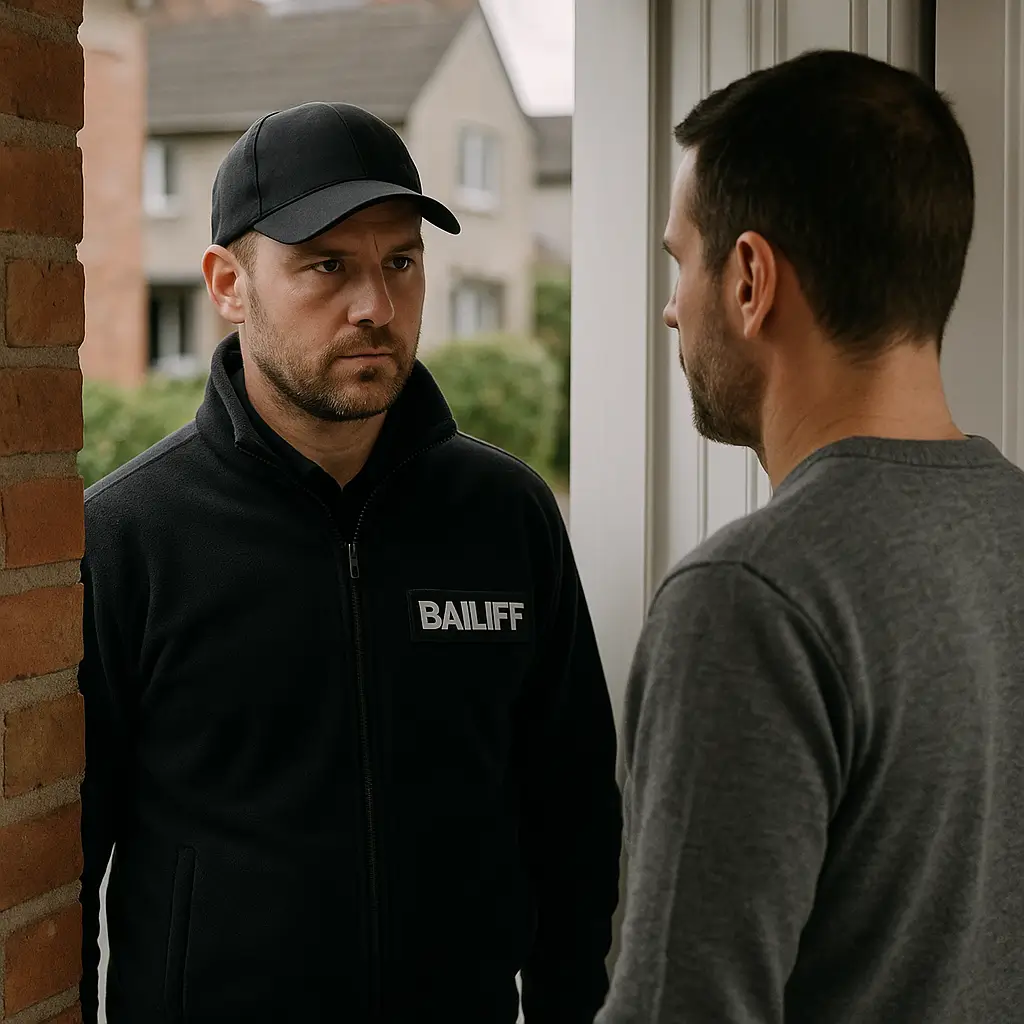

Understanding the Process
When No Goods Can Be Seized
If a bailiff enters your home and finds nothing of real value to take, that doesn’t end the issue. They must report back to the creditor or court responsible for the debt, and the enforcement efforts may shift or reshape from there. This doesn’t cancel the debt—it simply changes how you can handle it next
Bailiffs May Still Add Fees
Even when no goods are seized, bailiffs usually charge for the visit itself—which gets added to the outstanding debt. These costs can significantly increase what you owe, so seeking advice promptly is key to managing these extra fees.
The Debt Still Stands —and Legal Action May Continue
Having nothing seized doesn’t cancel or reduce your debt. You remain responsible, and creditors may continue enforcement, escalate legal proceedings, or pursue alternative routes like county court action or bankruptcy in serious cases.
What You Can Do Next?
Step 1
Communicate early
Contact the bailiffs or your creditor immediately to explain your situation and show willingness to engage.
Step 2
Arrange a manageable payment plan
Even small, regular payments may persuade bailiffs to pause further action.
Step 3
Speak to Bailiff Helpline Today
Options like IVAs or debt relief orders can legally halt enforcement and give you breathing space.
Take Action Before Bailiffs Do
Ignoring Bailiffs can lead to further enforcement action. The sooner you act, the more options you have.
- Call Now: 0161 820 1298
- Speak With Experienced Advisors
- 100% Confidential Advice