If you’re dealing with bailiffs, it can feel never-ending. Repeated letters, visits, texts, and threats of action often lead people to ask: “Will bailiffs ever give up?”
The honest answer is sometimes, but not simply because you ignore them. Bailiffs don’t usually give up on their own, but enforcement can stop or pause for several legal and practical reasons. Understanding these reasons can help you regain control and reduce stress.
Why Bailiffs Keep Coming Back
Bailiffs are instructed to recover a debt and are paid to pursue it. As long as they have legal authority and believe recovery is possible, they may continue enforcement.
Common reasons bailiffs keep visiting include:
• The debt remains unpaid
• No payment arrangement is in place
• They believe you have goods or a vehicle
• Enforcement is still legally active
Ignoring bailiffs often leads to more visits and added fees, not less.
When Bailiffs May Stop or Give Up
While bailiffs don’t usually walk away easily, enforcement can stop in certain situations:
1. The Debt Is Paid or Settled
Once the debt is paid in full or a settlement is agreed, bailiff action ends.
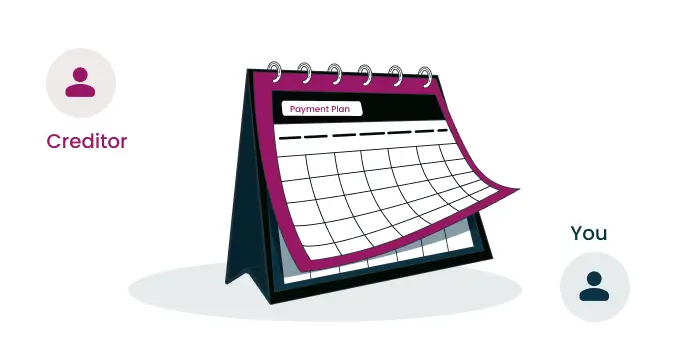
2. A Payment Plan Is Accepted
If you agree a realistic bailiff repayment plan and stick to it, bailiffs may stop visiting as long as payments continue.
3. Bailiffs Can’t Take Anything
If bailiffs establish that you have no goods of value, no vehicle, and no way to recover the debt, enforcement may eventually be returned to the creditor.
4. Enforcement Is Put on Hold
Enforcement can pause if:
• You’re classed as vulnerable
• You challenge the debt
• A formal complaint is raised
• A debt solution is being considered
5. The Creditor Withdraws the Case
In some situations, the creditor may decide further enforcement isn’t worthwhile and take the case back.
Will Bailiffs Stop If You Don’t Let Them In?
Not letting bailiffs in can protect your belongings, but it doesn’t automatically make them stop.
They may:
• Keep visiting
• Add fees
• Look to take goods outside (such as vehicles)
Refusing entry buys you time , but it’s best used alongside proper advice and action.
Do Bailiffs Eventually Run Out of Time?
Bailiffs don’t have unlimited time, but many debts remain enforceable for years. Some enforcement actions may lapse, while others can be renewed.
What’s the Best Way to Make Bailiffs Stop?
The most effective ways to stop bailiffs include:
• Addressing the debt directly
• Challenging unlawful enforcement
• Negotiating affordable repayments
• Using a formal debt solution that pauses enforcement
• Getting professional support to deal with bailiffs on your behalf
There is no fixed time limit on how long bailiffs will keep trying to collect a debt. Some cases are resolved quickly, while others can continue for months or even longer.
Bailiffs usually keep visiting as long as:
• The debt remains unpaid
• The warrant or writ is still active
• They believe enforcement might succeed
They may stop if repeated visits fail, if they establish that there is nothing to take, or if the creditor decides further enforcement is not cost-effective. However, it’s important to know that waiting them out is risky, as fees can keep increasing and the case can be restarted later.
Will Bailiffs Give Up If You Have Nothing?
If you genuinely have no valuable goods, no vehicle, and no assets, bailiffs may eventually conclude that enforcement is not possible. In this situation, the case is often returned to the creditor marked as “unenforceable”.
However, this does not mean the debt is written off. The creditor can still try other recovery methods or instruct bailiffs again in the future if your circumstances change. While having nothing to take can stop bailiff visits for now, it doesn’t make the debt disappear , which is why getting advice is still very important.
Will Bailiffs Ever Give Up?
The honest answer is bailiffs don’t usually just give up because you ignore them. They are instructed to recover a debt and will continue enforcement as long as they believe there is a chance of being paid or of taking goods.
However, bailiffs can and do stop in certain situations. This usually happens when enforcement is no longer successful or worthwhile. For example, if you genuinely have no assets, no vehicle, and no goods that can be taken, the bailiff may eventually return the case to the creditor as “unenforceable”.
Bailiffs may also stop if the creditor withdraws the case, if the debt is resolved, or if a formal debt solution is put in place. While bailiffs don’t simply walk away, they do stop when there is a legal or practical reason to do so.
How Bailiff Helpline Can Help
At Bailiff Helpline, we regularly help people who feel trapped by ongoing bailiff action. We can:
• Check if bailiffs are acting lawfully
• Explain whether enforcement should stop
• Speak to bailiffs or creditors for you
• Help you explore options to pause or end enforcement
• Reduce visits, pressure, and stress
Bailiffs don’t usually give up just because you ignore them , but enforcement can stop when the right steps are taken. Knowing your rights, acting early, and getting expert help can make all the difference.
If you’re dealing with bailiffs and wondering whether they’ll ever stop, Bailiff Helpline is here to help you take back control and move forward with confidence.