Being told by bailiffs that they’ll only accept full payment can feel overwhelming, especially if you simply don’t have the money. While bailiffs often push for payment in full, that doesn’t mean you’re out of options. You still have rights, and there are practical steps you can take to slow things down, reduce pressure, and find a workable solution.
Why Do Bailiffs Ask for Full Payment?
Bailiffs are instructed to recover a debt quickly. Asking for full payment is standard practice because it closes the case immediately. However, this approach doesn’t take account of your personal circumstances, and it isn’t always reasonable or necessary.
In many cases, bailiffs can accept instalments, but they may not offer them unless you ask or show evidence that full payment isn’t possible.
Are Bailiffs Allowed to Refuse Instalments?
Bailiffs can request full payment, but they’re expected to act reasonably, especially if you’re vulnerable or genuinely unable to pay. If you can demonstrate financial hardship, they should consider alternatives.
If a bailiff flatly refuses instalments without considering your situation, you may have grounds to challenge their approach.
What You Should Do If You Can’t Pay in Full?
1.Don’t Panic and Don’t Let Them In
For most debts, you don’t have to let bailiffs into your home. Keeping the door closed prevents them from taking control of goods and gives you time to get advice.
2. Ask for Time and Put It in Writing
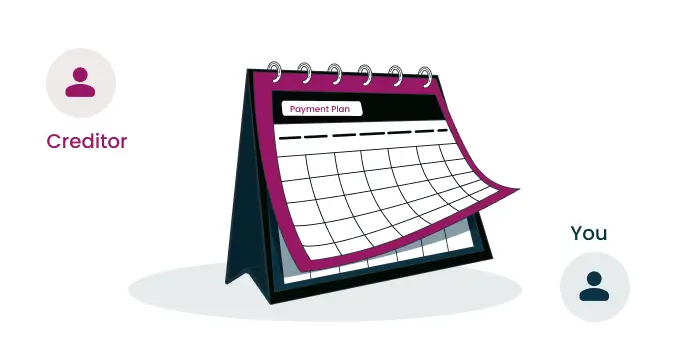
Explain clearly that you cannot pay in full and request a payment plan. Do this in writing if possible, outlining what you can realistically afford. Keep copies of everything.
3. Show Evidence of Your Finances
Providing a simple income and expenditure summary can strengthen your position. It shows you’re not refusing to pay; you just need a manageable arrangement.
4. Check the Fees and the Process
Make sure the bailiff has followed the correct steps and that the fees added are lawful. Errors happen, and mistakes can sometimes pause enforcement.
What If Bailiffs Still Refuse to Accept Less?
If bailiffs continue to demand full payment only, there are other options:
• Contact the creditor directly (such as the council) and ask them to take the account back• Request a hold on enforcement if you’re vulnerable
• Explore debt solutions that can legally stop or pause bailiff action
• Get professional support to negotiate on your behalf
You don’t have to handle these conversations alone.
Can Bailiffs Take Goods If You Can’t Pay?
Bailiffs can only take goods if they gain peaceful entry or seize items outside (such as vehicles) and if all legal steps have been followed. Acting early, before goods are listed or removed, gives you more control.
How Bailiff Helpline Can Help
At Bailiff Helpline, we help people every day who are being pressured for full payment they simply can’t afford. We can:
• Review your case and check bailiff behaviour
• Speak to bailiffs or creditors on your behalf
• Help you propose realistic repayment options
• Advise on debt solutions that stop enforcement
• Support you in protecting your home and belongings
Being told full payment only doesn’t mean you’re stuck. Bailiffs must act reasonably, and there are steps you can take to challenge demands, slow enforcement, and find a way forward. The sooner you act, the more options you have.
If bailiffs are pressuring you for full payment, Bailiff Helpline is here to help you regain control and reduce the stress.