Bailiffs don’t rely on guesswork. They often use a combination of official data, previous information, and on-the-ground checks to identify vehicles.
One of the main ways they find out is through DVLA records. If a vehicle is registered in your name, this information may be available to enforcement agents in certain cases, particularly when dealing with debts like council tax or parking fines.
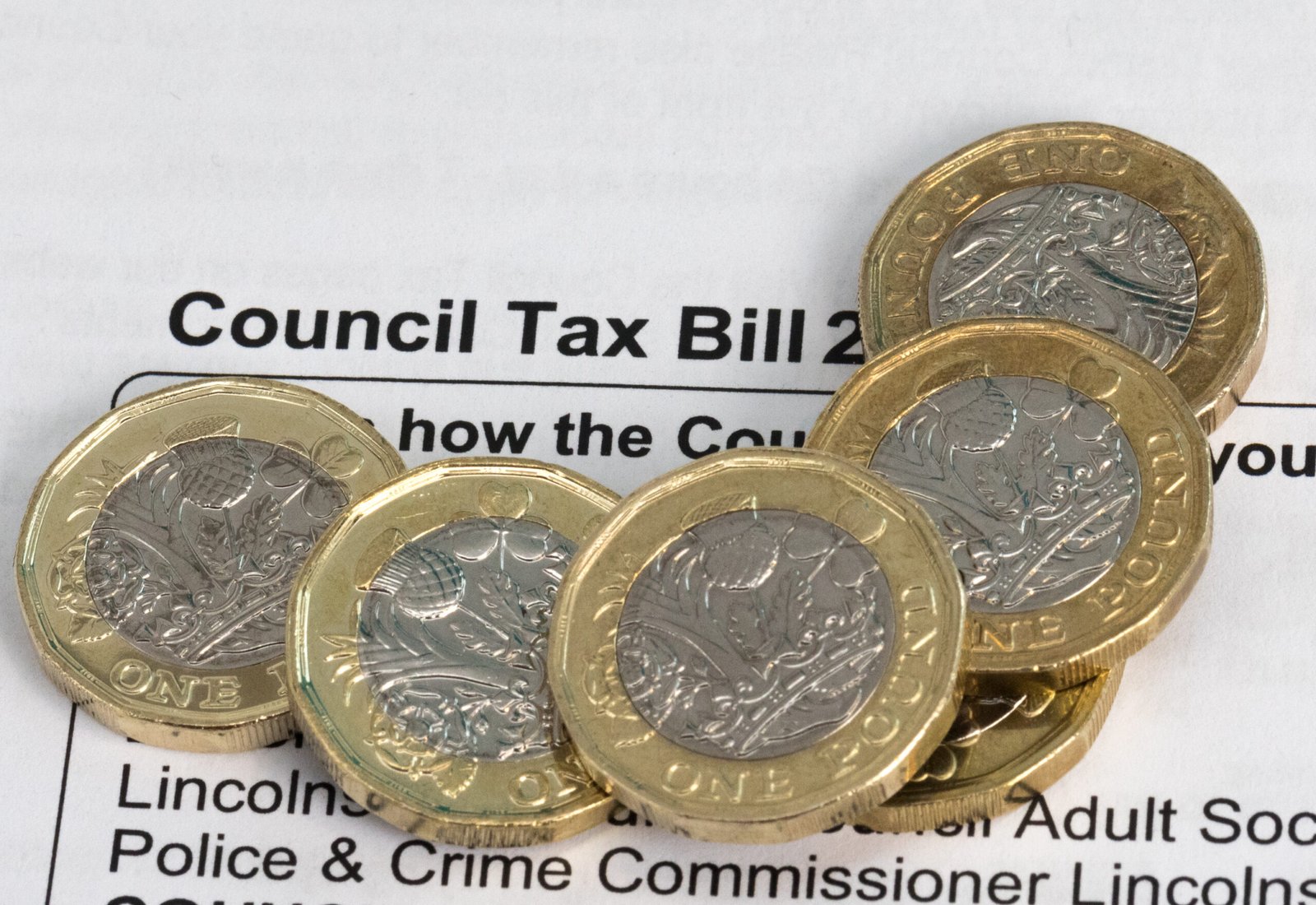
They may also use information provided by the creditor. For example, local councils often have access to vehicle data and may pass this on when instructing bailiffs.
Do Bailiffs Check Outside Your Home?
Yes. One of the simplest ways bailiffs identify a car is by physically attending your address and checking what is parked outside.
If a vehicle is:
- Parked on your driveway
- Parked directly outside your home
- Regularly seen at your address
Bailiffs may assume it belongs to you and investigate further.
They may check the registration details or monitor the vehicle over time before taking action.
Can Bailiffs Use ANPR or Databases?
In some cases, bailiff companies use technology such as Automatic Number Plate Recognition (ANPR) or access internal databases to track vehicles linked to debtors.
This is more common with larger enforcement companies or for specific types of debt, such as parking fines. These systems can help identify vehicles registered to individuals with outstanding debts.
What If the Car Isn’t in Your Name?
If a car is not registered in your name, bailiffs should not take it. However, they may still investigate if they believe the vehicle belongs to you.
For example, if:
- You are the main driver
- The car is regularly kept at your address
- Ownership is unclear
They may ask for proof of ownership. This could include receipts, finance agreements, or insurance documents.
If you can prove the car belongs to someone else, it should not be taken.
Can Bailiffs Clamp Your Car Without Warning?
Bailiffs must send a Notice of Enforcement before taking action, giving you at least seven clear days to respond. However, once enforcement has begun, they may clamp a vehicle without further warning if it is found outside and belongs to you.
This is why many people are caught off guard, especially if they are unaware of how far enforcement has progressed.
What Types of Cars Can Bailiffs Take?
Bailiffs can only take a vehicle if:
- You own it outright
- It is not essential for work (within value limits)
- It is not a Motability or disability vehicle
- It is not on finance or hire purchase
If your car is on finance, leased, or used for essential work, it may be protected.
Can You Hide Your Car from Bailiffs?
Some people try to avoid enforcement by parking their car away from home or keeping it out of sight. While this may delay action, it does not solve the underlying issue.
Bailiffs may still locate the vehicle elsewhere, including at work or in public car parks. They can also continue enforcement in other ways, such as visiting your home or adding fees.
What Should You Do If You’re Worried?
If you’re concerned about bailiffs taking your car, the most important thing is to act early.
You should:
- Check whether bailiffs have followed the correct process
- Understand whether your vehicle is protected
- Avoid letting bailiffs into your home
- Seek advice before agreeing to anything
Taking action early can help you prevent clamping, reduce fees, and explore solutions.
How Bailiff Helpline Can Help
If you’re worried about how bailiffs know you have a car, Bailiff Helpline can help you:
- Understand your rights and what bailiffs can legally do
- Check whether your vehicle is at risk
- Help you stop or reduce enforcement action
- Speak to bailiffs or creditors on your behalf
- Support you in finding a solution that works for you