If HMRC bailiffs are contacting you about unpaid tax debts, it can feel intimidating very quickly. Unlike many other creditors, HMRC has strong enforcement powers and can take action over debts such as unpaid VAT, income tax, PAYE, or Corporation Tax.
The good news is that there are still rules HMRC bailiffs must follow, and there are ways to stop enforcement from escalating. Acting early is usually the most important step.
Who are HMRC bailiffs?
HMRC may use enforcement agents, sometimes called bailiffs, to recover unpaid tax debts. These enforcement agents can either work directly for HMRC or through private enforcement companies acting on HMRC’s behalf.
Before bailiffs visit, HMRC will normally attempt to contact you directly about the debt. If the balance remains unpaid and no arrangement is agreed, enforcement action may begin.
What powers do HMRC bailiffs have?
HMRC bailiffs have more authority than standard debt collectors because they are enforcing tax debts owed to the government.
They can:
- Visit your home or business premises
- Take control of non-essential goods
- Clamp or remove vehicles
- Add enforcement fees to the debt
- Remove goods to sell at auction in some cases
However, their powers are still limited by law. They cannot simply take anything they want or ignore the correct enforcement process.
Can HMRC force entry?
This is one of the biggest concerns people have when dealing with HMRC enforcement.
For residential properties, HMRC bailiffs usually still need peaceful entry. This means they normally cannot force their way into your home on an initial visit for tax debts.
However, HMRC enforcement can become more serious than standard council tax enforcement, particularly for businesses. In some circumstances, HMRC officers may apply for further authority through the courts, especially where commercial premises are involved.
Even so, forced entry is not something that happens automatically, and strict procedures must still be followed.
What can HMRC bailiffs take?
HMRC bailiffs can take non-essential goods that belong to you or your business if they have gained lawful access.
This may include:
- Vehicles
- Electronics
- Business equipment
- Luxury items
- Non-essential furniture
They cannot take essential household items needed for basic living, such as:
- Beds and bedding
- Clothing
- Cookers or fridges
- Essential medical equipment
If you are self-employed, tools or equipment needed for work may also receive protection within certain limits.
What happens before HMRC bailiffs visit?
HMRC enforcement does not normally begin without warning. Before bailiffs attend, you should receive notices explaining:
- The amount owed
- The type of tax debt
- What action may happen next
- How to contact HMRC
You may also receive a Notice of Enforcement before a visit takes place. This gives you time to respond and potentially prevent further action.
Ignoring letters from HMRC often makes the situation more difficult and expensive, especially once enforcement fees begin to build up.
Can you stop HMRC bailiffs?
Yes, in many situations you can stop HMRC enforcement before goods are removed.
This may involve:
- Paying the balance in full
- Agreeing a payment arrangement with HMRC
- Challenging incorrect enforcement
- Seeking professional debt advice
- Entering a formal debt solution where appropriate
HMRC is often more willing to discuss arrangements when people engage early rather than ignoring the debt.
Does HMRC accept payment plans?
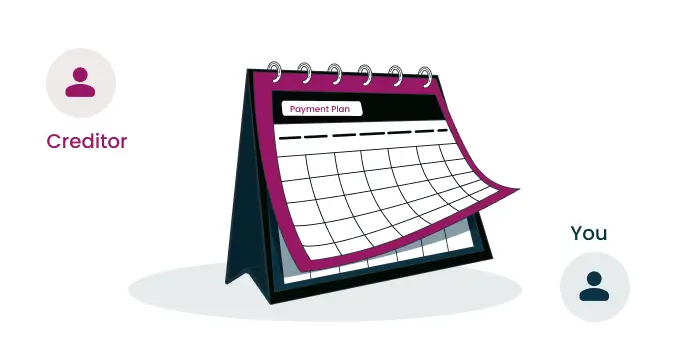
In some cases, yes. HMRC may agree to a Time to Pay arrangement if you can show that you cannot clear the balance immediately but can afford regular payments.
These arrangements depend on:
- Your financial circumstances
- The size of the debt
- Your payment history
- Whether you’ve contacted HMRC early enough
If a plan is agreed and maintained, enforcement action may stop
What happens if you ignore HMRC bailiffs?
Ignoring HMRC enforcement rarely improves the situation. If no action is taken, fees can increase and enforcement may continue.
Depending on the circumstances, HMRC bailiffs may:
- Continue visiting your property
- Clamp or remove vehicles
- Take control of business assets
- Escalate enforcement further
The earlier you deal with the problem, the more options you usually have available.
What if you cannot afford to pay HMRC?
If you genuinely cannot afford the debt, it’s important to get advice as soon as possible. There may be formal debt solutions available depending on your circumstances.
For individuals, this could include:
- Individual Voluntary Arrangements (IVAs)
- Debt Relief Orders (DROs) in some cases
- Bankruptcy
For businesses, there may be other insolvency or repayment options available.
The right solution depends on your wider financial situation, not just the HMRC debt alone.
How Bailiff Helpline can help
Dealing with HMRC bailiffs can feel overwhelming, especially when tax debts continue growing due to fees and penalties.
Bailiff Helpline can help you:
- Understand your rights
- Check whether enforcement is being carried out correctly
- Explore payment options
- Understand whether formal debt solutions could help
- Deal with HMRC enforcement before things escalate further
Getting advice early often makes the situation far easier to manage