If bailiffs are involved in collecting a debt, one of the first things most people worry about is what they might lose. It’s easy to assume they can take anything they want, but that’s not the case. There are clear rules around what bailiffs can take and bailiffs can’t take and understanding them can help you feel more in control.
Bailiffs are allowed to take certain items to repay a debt, but only if those items belong to you and aren’t considered essential for everyday living.
What can bailiffs take in general?
Bailiffs usually look for items that have resale value and are not essential. This might include things like televisions, games consoles, jewellery, or non-essential furniture. Furniture can be treated differently depending on your household’s needs. Read our guide answering can bailiffs take sofas.
They can only take goods if they’ve gained access to your home legally, which in most cases means being let in or entering through an unlocked door. They may also take items outside, such as vehicles, if they belong to you and are not protected.
Can bailiffs take jewellery you’re wearing?
No, bailiffs cannot take items that are in your immediate possession, including jewellery you’re wearing at the time. Personal items like this are generally left alone.
However, if jewellery is stored elsewhere in the home and is valuable, it may be considered something that could be taken. Sentimental value doesn’t usually count; it’s the resale value that matters.
Can bailiffs take my car?
Cars are one of the first things bailiffs will look for because they’re easy to identify and remove.
They can take your car if:
- It belongs to you
- It isn’t on finance or lease
- It isn’t essential for work (within value limits)
- It isn’t needed due to a disability
If your car is on finance, part of the Motability scheme, or essential for your job, it may be protected. Where possible, it’s always worth checking your position before any action is taken.
For more information, read our guide on can bailiffs take my car.
Can bailiffs take clothes?
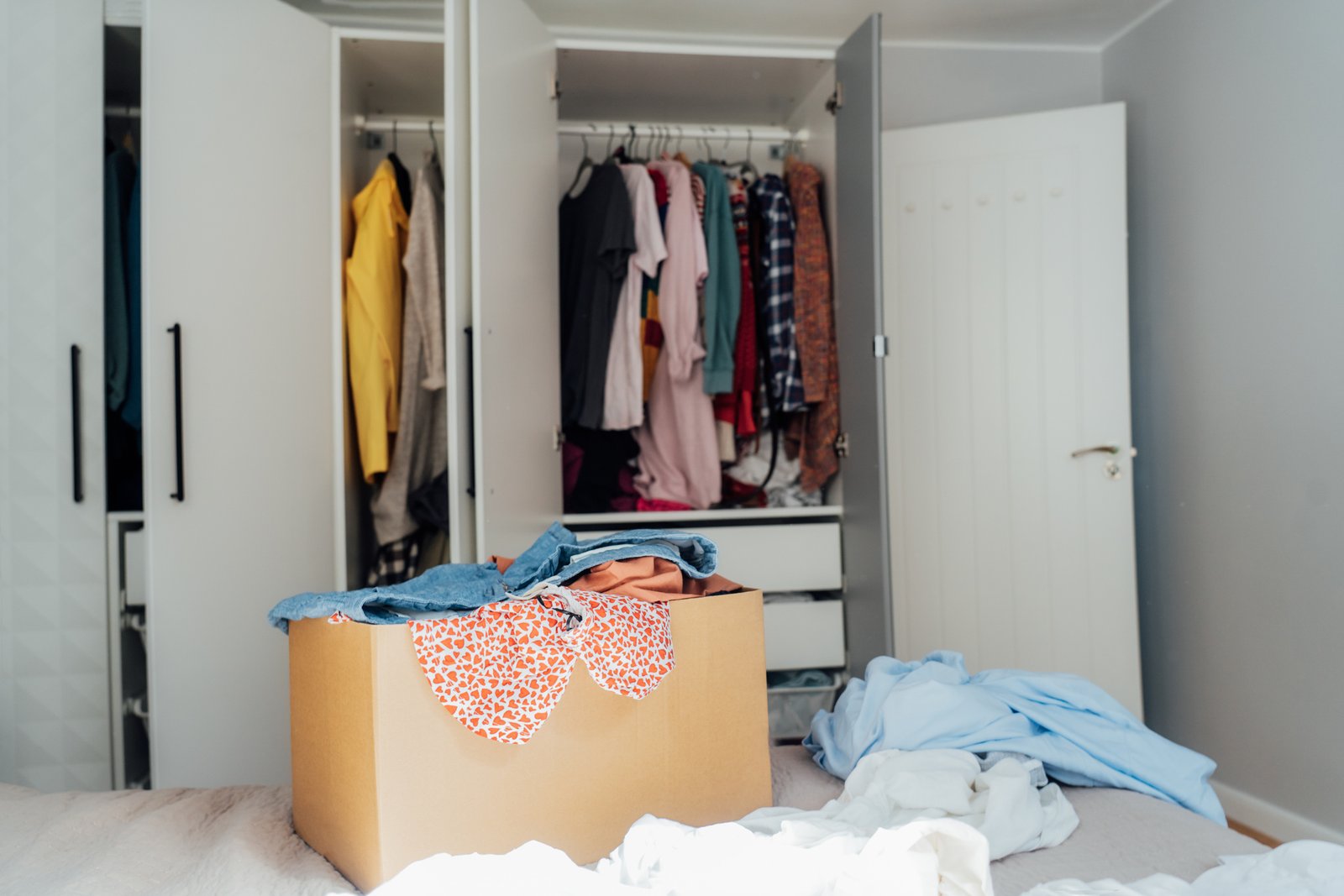
Clothing is classed as essential, so bailiffs cannot take everyday clothes or items needed for basic living.
This includes shoes, coats, and other personal clothing. These are protected because removing them would leave you without basic necessities.
For more information , read our guide on can bailiffs take clothes.
Can Bailiffs Take Pets?
Bailiffs cannot take domestic pets as part of enforcement action. This includes animals such as dogs, cats and other household pets. Assistance dogs, including guide dogs and hearing dogs, are also specifically protected under the Taking Control of Goods Regulations.
If a bailiff suggests that your pet could be taken, you should challenge this and make it clear that domestic pets are exempt goods. If necessary, you can also make a complaint about the enforcement action. Read our guide can bailiffs take pets, for more information.
What can bailiffs take if I live with my parents?
Living with parents can make things feel more complicated, but bailiffs can still only take items that belong to the person named on the debt.
They should not take items owned by your parents or anyone else in the household. In practice, though, they may assume certain items belong to you unless proven otherwise.
If there’s any doubt, it can help to have proof of ownership, such as receipts or bank statements, especially for higher-value items.
What can bailiffs take if I have children?
If you have children, there are additional protections in place. Bailiffs cannot take items that are essential for a child’s wellbeing.
This includes things like:
- Children’s beds and bedding
- Clothing
- Basic furniture
- Toys and school items
The aim is to make sure children are not affected by enforcement action. Bailiffs are expected to act reasonably and avoid causing unnecessary distress.
Other things bailiffs can take
Aside from the more obvious items, bailiffs may also look at things like:
- Electrical items that aren’t essential
- Spare furniture
- Decorative items
- High-value personal belongings
If something can be sold and isn’t needed for day-to-day living, it may be considered. However, bailiffs should always leave you with the basics needed to live.
What will bailiffs do with my goods?
If bailiffs take control of your goods, they won’t always remove them straight away. In many cases, they’ll list the items in a controlled goods agreement.
This means the items stay in your home while you make payments. If payments are missed, they may return to remove and sell them.
If goods are taken away, they’re usually sold at auction. The money raised goes towards your debt, although items often sell for less than expected.
Can I hide my goods from bailiffs or sell them?
It might be tempting to move or sell items to stop bailiffs taking them, but this can cause problems.
If bailiffs believe you’ve deliberately hidden or sold goods to avoid payment, it could lead to further action. In some cases, items that have already been listed under an agreement cannot be sold or removed.
It’s usually better to deal with the situation directly rather than trying to work around it.
What happens if I have nothing for bailiffs to take?
If you genuinely don’t have any valuable or non-essential items, bailiffs may not be able to take anything.
In these situations, they may return the case to the creditor as unenforceable. This doesn’t mean the debt disappears, but it can stop bailiff visits for the time being.
The creditor may still look at other ways to recover the money, so it’s still important to deal with the debt where possible.
How Bailiff Helpline can help
If you’re unsure what bailiffs can take or you’re worried about your belongings, getting advice can make a big difference.
Bailiff Helpline can explain what applies to your situation, help you understand your rights, and guide you through your options. Whether it’s checking if something is protected or helping you deal with bailiffs directly, having support can take a lot of pressure off.